Laser Surgery
A laser beam provides a vehicle for delivering energy in such a precisely controlled way, and without physical contact, that it’s not surprising that the laser has found so much use as a surgical tool. They can cut through various types of tissue in place of the traditional scalpel, and simultaneously cauterizing blood vessels as it goes, so that bleeding is minimized.
Using laser surgical techniques, surgical incisions may be made more carefully, unnecessary pain may be avoided and there are solutions for more medical problems. But along with the advantages of using lasers for medical applications there are dangers and restrictions as well. Lasers used in the medical field fall under strict safety regulations; Laser powers and laser energies are to be checked on a semi-annual basis according to FDA Regulations. Each medical application requires a laser with certain beam power and beam shape in order for it to function properly and safely. For example, a laser used for surgery should be measured by a laser measurement device to ensure a correct power output.
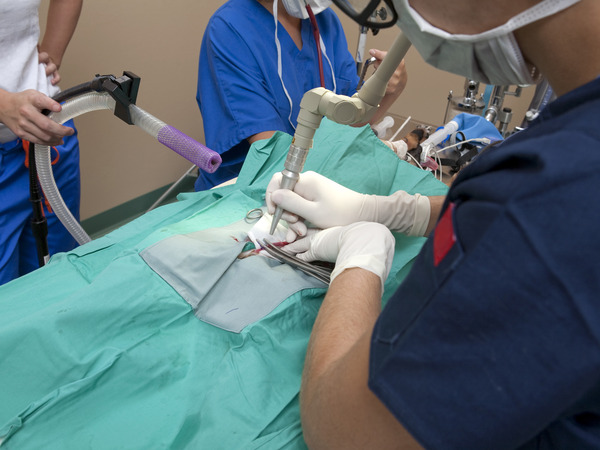
Just as with any precision industrial process, where the results must be tightly controlled and completely predictable, laser-based medical processes must also be controlled and predictable. Not only for the obvious reasons of quality and profitability; with medical applications, there are also potential risks – direct or indirect - to patients.
Laser Surgery Resources
Medical Laser Applications: Beam Measuring & Profiling Laser Measurement in Medical Laser Service Laser Measurement in the Medical Industry The Top Mistake Medical Device Engineers Make When Designing Laser Integration Tech-Tip-How-to-align-an-invisible-laser-beam.pdf(634.1 kB, PDF) 5 Situations Where Laser Performance Measurement is Necessary Consistent Measuring Technology Ensures the Quality of Medical Lasers Non-invasive Blood Glucose Monitor Ophir OEM laser sensors integral part of world’s first remote corneal surgery with iVis Technologies’ 4D Suite Webinar: Lasers in Health and Medicine webinar(35:31)
Laser Surgery Products
| Description | Features | |||
|---|---|---|---|---|
 | Ariel Industrialized Laser Power Sensors with Display |
| | |
 | 100 pW to 50 mW OEM Photodiode Laser Power Sensor |
| | |
 | 0.1 mW to 20 W OEM Thermopile Laser Power Sensor |
| | |
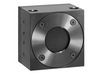 | 60 mW to 150 W OEM Thermopile Laser Power Sensors |
| | |
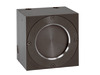 | 300 mW to 600 W OEM Thermopile Laser Power Sensors |
| | |
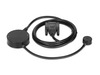 | 1 µJ to 40 J OEM Pyroelectric Laser Energy Sensors |
| | |
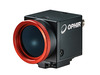 | SP920s USB 1624x1224 CCD 190-1100 nm Laser Beam Profiler |
| | |
 | 4X UV Image Reducing Converter for Beam Profilers |
| |